Outdoor advertising effectiveness remains a cornerstone of how strong brands build visibility, credibility, and long-term market leadership. Even in a digital-first era, outdoor advertising including billboards, premium LED screens, and Digital Out-of-Home (DOOH) continues to deliver an impact that few channels can replicate.
While consumers spend more time online, they continue to live, commute, shop, travel, and make decisions in physical environments. Cities remain active decision-making ecosystems shaped by repetition, familiarity, and trust. Outdoor advertising places brands directly within these real-world moments, reinforcing awareness and accelerating consideration at scale.
This reality leads many brand owners to ask a strategic question: does outdoor advertising still work in 2026? The sustained performance of OOH advertising effectiveness across global markets provides a confident answer.
The Myth That Outdoor Advertising Lost Its Relevance
Rapid digital expansion reshaped how brands evaluated marketing performance. Real-time dashboards, click-based metrics, and short-term attribution models directed attention toward immediate digital results. Many marketing strategies began to prioritize measurable online interactions over long-term brand presence.
This shift influenced perception rather than performance. Outdoor advertising continued to deliver consistent, high-impact visibility in public spaces, while measurement frameworks focused elsewhere. As digital-first strategies matured, leading brands recognized the importance of balancing performance metrics with physical brand presence.
Today, brands increasingly view outdoor advertising as a strategic complement to digital channels, one that strengthens credibility, anchors brand identity, and reinforces trust in the real world.
The Digital-First World Increases the Value of Outdoor Advertising Effectiveness
Digital growth has reshaped how people interact with advertising in online environments. Audiences actively curate their digital experiences. Many consumers subscribe to premium platforms, use ad‑free memberships, install ad blockers, mute in‑feed promotions, or scroll past ads instinctively. These behaviors reflect a desire for control, privacy, and uninterrupted content consumption.
As a result, reaching high‑purchasing‑power audiences through purely digital channels has become increasingly selective. Senior professionals, business owners, and affluent consumers often represent the most digitally filtered segments. Their exposure to online advertising remains limited by design, not by lack of intent or relevance.
Outdoor advertising effectiveness increases in this context because it operates beyond digital filtering. Billboards, premium LED screens, and DOOH placements appear in physical environments where audiences remain present, mobile, and attentive. These formats deliver brand messages without skip buttons, ad blockers, or subscription barriers.
OOH advertising effectiveness allows brands to reach high‑value audiences during real‑world moments commuting, traveling, shopping, and socializing when attention remains naturally open. This unskippable visibility positions outdoor advertising as a powerful solution for brands seeking reach, credibility, and access to audiences with strong purchasing power.
Why Outdoor Advertising Effectiveness Remains a Core Growth Driver
Outdoor advertising remains a core growth driver because it combines scale, physical presence, and public visibility in a way digital channels cannot replicate. In an environment saturated with online messaging, outdoor advertising places brands directly into daily routines along commuting routes, shopping corridors, and lifestyle districts where attention is captured naturally rather than actively avoided.
Premium placements play a critical role in shaping perception. A large-format billboard on a major expressway or a landmark LED screen in a central business district immediately signals scale, confidence, and leadership. This real-world dominance builds brand authority and reinforces trust, particularly among decision-makers and high-value consumers who associate physical visibility with market strength.
Size, contrast, and repeated exposure allow brands to dominate visual environments and reinforce recall over time. When audiences encounter the same brand across streets, transport hubs, and retail areas, familiarity grows organically. This shared public exposure creates social validation and keeps brands top-of-mind in competitive markets.
This impact extends beyond awareness and directly influences digital behavior. Consumers frequently search for brands after seeing them on billboards or LED screens, connecting physical exposure with online engagement. Rather than operating in isolation, outdoor advertising activates digital channels by driving intent from the real world into mobile search, websites, and social platforms.
Modern DOOH formats strengthen this connection further through data-enabled capabilities such as QR code engagement, location-based retargeting, time-specific creative optimization, and contextual messaging. These features allow outdoor advertising to integrate seamlessly into omnichannel strategies while maintaining its unskippable presence in high-traffic public spaces. Iconic executions, including premium LED screens and 3D formats, also generate organic social amplification as audiences capture and share visually striking campaigns.
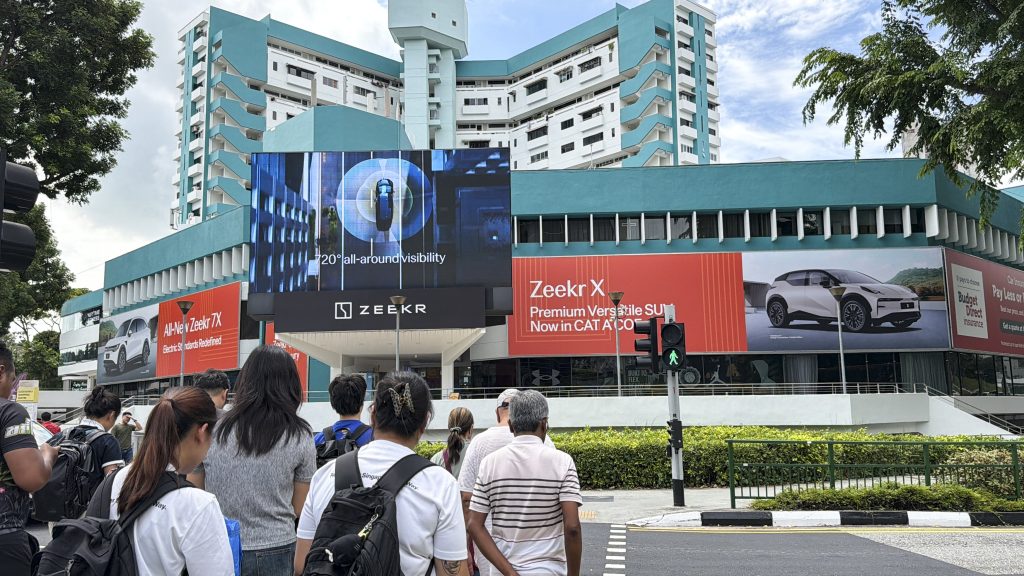
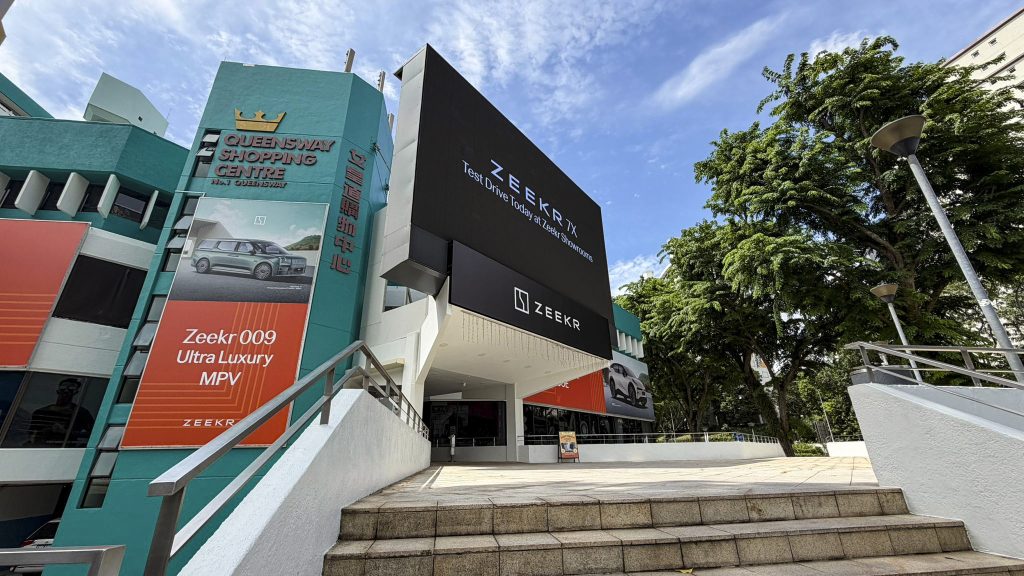
The effectiveness of this approach is clearly demonstrated across Singapore’s premium outdoor locations, where placement quality directly amplifies impact. Along Alexandra Road, the digital LED screen at Queensway Shopping Centre delivers consistent exposure to Gen Z and millennial audiences with strong interests in sports, fashion, and street culture. Automotive, retail, and lifestyle brands leverage this placement to maintain daily visibility among consumers who increasingly avoid online ads through subscriptions and ad blockers, supported by steady vehicular traffic and an active retail ecosystem.
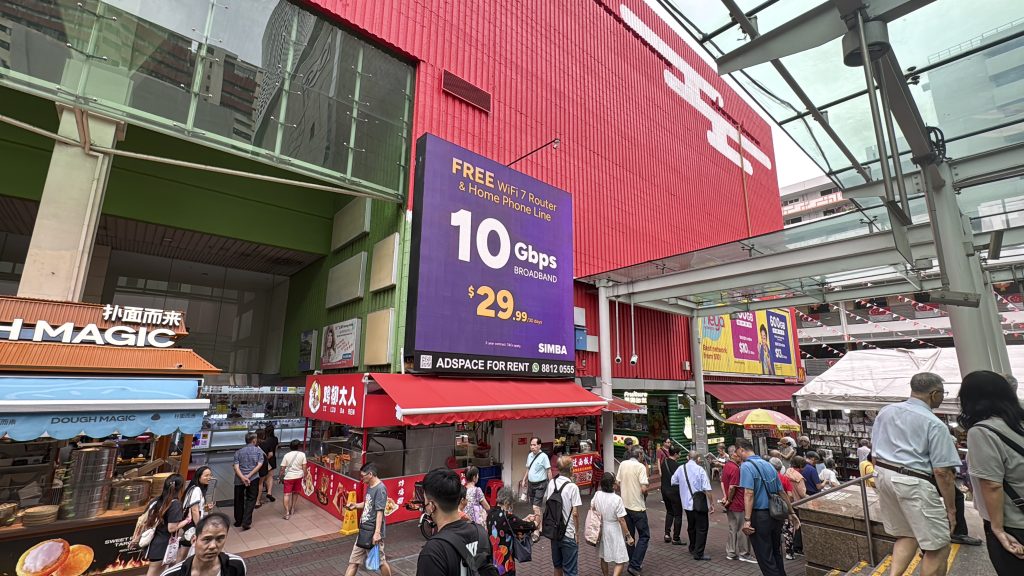
A different but equally powerful dynamic appears at People’s Park Complex. Located above Chinatown MRT and surrounded by retail, dining, and nightlife destinations, the area generates continuous footfall from commuters, tourists, and urban professionals. LED screens and large-format billboards in this environment have supported campaigns across FMCG, financial services, and cross-border payment brands. Extended dwell time along key pedestrian corridors strengthens message retention, while the mix of local residents and international visitors ensures broad reach with cultural relevance.
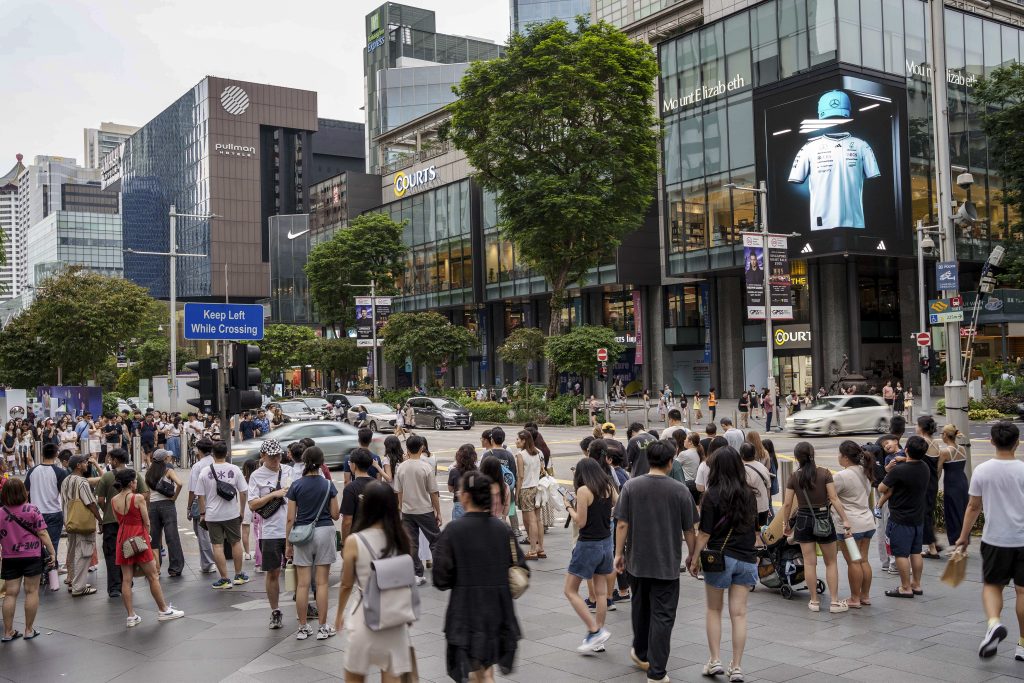
On Orchard Road, the digital LED screen at The Heeren reinforces how outdoor advertising supports premium brand positioning. Situated within Singapore’s most established retail and lifestyle corridor, this placement consistently reaches high-spending shoppers, international travelers, and affluent professionals. Brands in luxury, technology, automotive, and financial categories use this visibility to associate their messaging with prestige, aspiration, and market leadership, reinforced by peak-hour exposure from surrounding flagship stores, hotels, and entertainment venues.
Together, these examples illustrate how outdoor advertising effectiveness increases when premium environments, strong demographics, and unavoidable visibility align. By placing brands at the center of Singapore’s most active urban spaces, outdoor advertising continues to deliver credibility, recall, and digital uplift that digital channels alone cannot achieve, securing its role as a sustained driver of long-term growth.
Bring Your Brand Into the Real World
Outdoor advertising effectiveness remains strong because business decisions, brand perceptions, and purchasing intent continue to form in real-world environments. Across cities and regions, physical presence still shapes credibility, scale, and long-term brand value.
Enterprise and regional brands that operate across multiple markets continue to use outdoor advertising as a strategic layer within integrated marketing strategies. When aligned with the right locations and audience movement patterns, OOH delivers consistent visibility, reinforces brand authority, and supports performance across both digital and offline channels.
For organizations seeking a structured, market-aware approach to outdoor advertising across Singapore and Asia, The Perfect Media works with regional teams to develop OOH strategies that prioritize location relevance, audience quality, and long-term brand impact supporting sustained growth across key urban markets.
 Partner with The Perfect Media to activate high-performance billboard and OOH campaigns across Singapore and Southeast Asia.