In 2026, LED screen advertising has become one of the most effective channels for brands seeking high-impact visibility in Southeast Asia. As consumers spend more time on mobile devices and digital platforms, marketing environments are increasingly saturated with short-lived, skippable messages. This saturation has significantly reduced attention and recall across online channels.
As a result, brands are shifting budgets toward digital out-of-home (DOOH) and LED screen advertising, where messages exist in the physical world and command attention through scale, motion, and placement. According to Nielsen, out-of-home advertising delivers the highest reach among mass media channels, making it a critical touchpoint for brand exposure at scale .
In high-density urban markets such as Singapore, Jakarta, and Bangkok, LED screen advertising enables brands to achieve dominance in premium locations—creating visibility that cannot be skipped, blocked, or ignored.
What Is LED Screen Advertising?
LED screen advertising refers to the use of large digital LED displays placed in outdoor or semi-outdoor environments to deliver dynamic brand messaging. These screens are commonly installed in central business districts, transport hubs, shopping areas, and landmark intersections.
Key Characteristics of LED Screen Advertising
High brightness and clarity, ensuring visibility in daylight and nighttime conditions
Dynamic content capability, including video, animation, and real-time messaging
Premium placement, associated with strong brand credibility
Repeated exposure, driven by consistent audience flow
According to Statista, digital out-of-home advertising continues to grow faster than traditional static formats across Asia Pacific, driven largely by LED screen adoption in urban centers .
LED Screen Advertising vs Static Billboards
Unlike static billboards, LED screen advertising allows brands to update creatives instantly, adapt messaging by time of day, and integrate motion. WARC reports that motion-based OOH formats significantly outperform static formats in attention and recall metrics, particularly in high-traffic city environments .
Understanding 3D LED Screen Advertising
One of the most impactful innovations within LED screen advertising is 3D LED screen advertising. This format uses advanced visual techniques to create the illusion of depth, making objects appear to extend beyond the screen.
How 3D LED Screen Advertising Works
3D LED advertising relies on:
Ultra-high-resolution LED panels
Anamorphic content design
Precise alignment with audience viewing angles
When executed correctly, the content appears immersive and lifelike—without requiring special glasses.
As McKinsey highlights in its research on experiential marketing, immersive physical experiences create stronger emotional connections and improve long-term brand memory, especially in urban Asia-Pacific markets .
Why 3D LED Advertising Works
3D LED screen advertising is effective because it introduces surprise and novelty—two key drivers of memory encoding. Think with Google Asia-Pacific notes that ads which create unexpected visual moments are more likely to be remembered and shared, extending reach beyond paid media placements.
Why LED Screen Advertising Delivers Higher Brand Recall
Marketers often ask: How effective is LED screen advertising compared to other channels? The answer lies in how people process large-scale visual stimuli.
Visual Dominance and Attention
Research by Wilson, Baack, and Till (2015) published in the International Journal of Advertising found that visually salient outdoor advertisements, including billboards, are more likely to capture attention and generate higher levels of brand recognition. The study highlights that factors such as larger display size, strong visual saliency, and brand familiarity significantly enhance memory performance. These findings suggest that when outdoor advertising stands out within the physical environment, it increases the likelihood that audiences will notice and remember the brand message.
Reduced Media Clutter
Unlike online environments crowded with competing ads, LED screen advertising often stands alone in premium spaces. According to WARC, reduced message clutter directly improves brand attribution and recall in DOOH campaigns .
Emotional and Experiential Impact
3D and large-format LED executions trigger emotional responses such as curiosity and excitement—emotions proven to strengthen brand recall and positive association.
Best Use Cases for LED Screen Advertising in Southeast Asia
Brand Launches and Market Entry
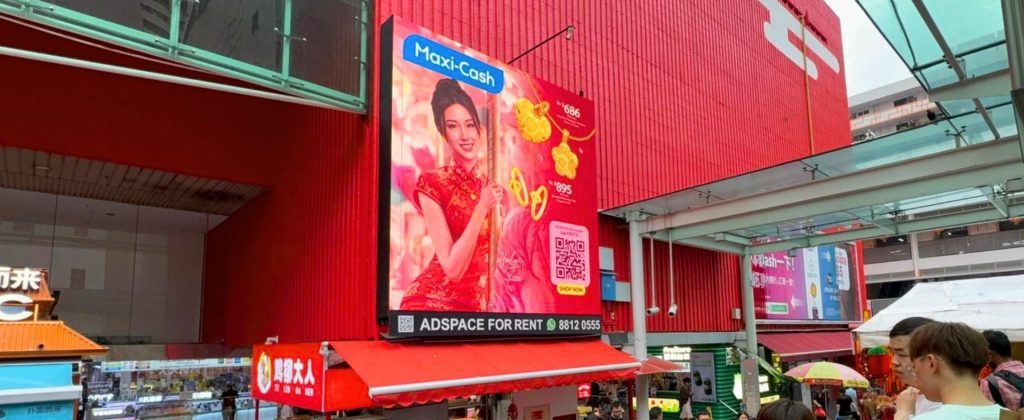
For brands entering competitive Southeast Asian markets, LED screen advertising provides immediate scale and authority. For example, The Perfect Media’s LED screen at People’s Park Complex sits at the heart of Singapore’s Chinatown near major transit links and high footfall, making it an ideal showcase for market entry campaigns targeting both locals and international visitors. Brands like China Merchants Bank and Yanghe Baijiu have leveraged this area to quickly build awareness among culturally relevant audiences in a vibrant urban setting.
Luxury and Premium Brand Positioning
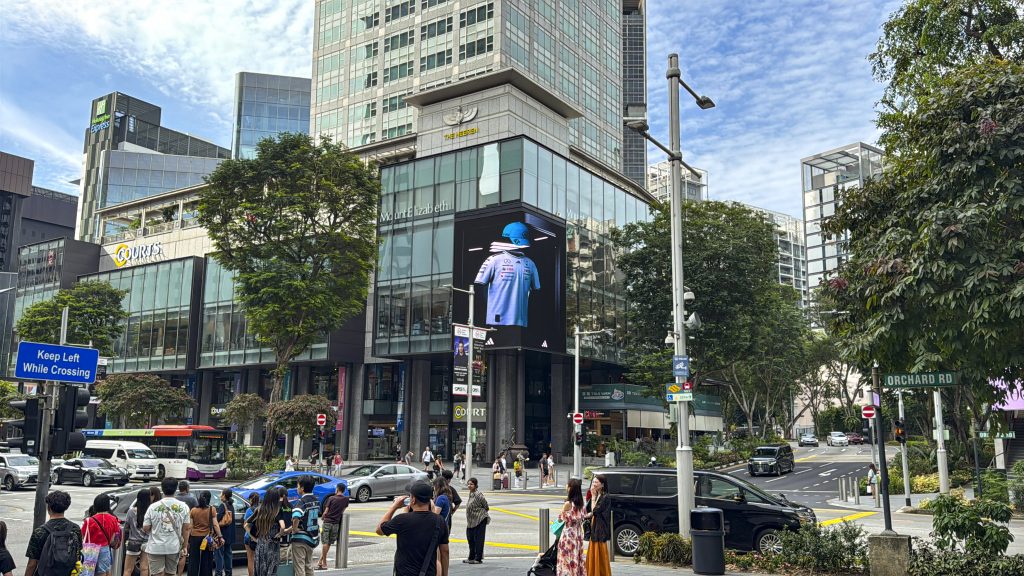
Premium LED screens reinforce exclusivity and trust, making them ideal for luxury, property, fashion, beauty, and financial brands. Located at The Heeren along Orchard Road, the LED screen benefits from its position within Singapore’s prime retail corridor, offering strong visibility to affluent shoppers, tourists, and young urban professionals. This high-traffic stretch is especially active during weekends, festive seasons, and major shopping periods, making it a strategic environment for brands seeking premium city-centre exposure. The dynamic digital format allows advertisers to deliver visually engaging content that resonates with fashion-forward and lifestyle-driven audiences in one of Singapore’s most established shopping districts.
Entertainment, Technology, and Automotive Brands
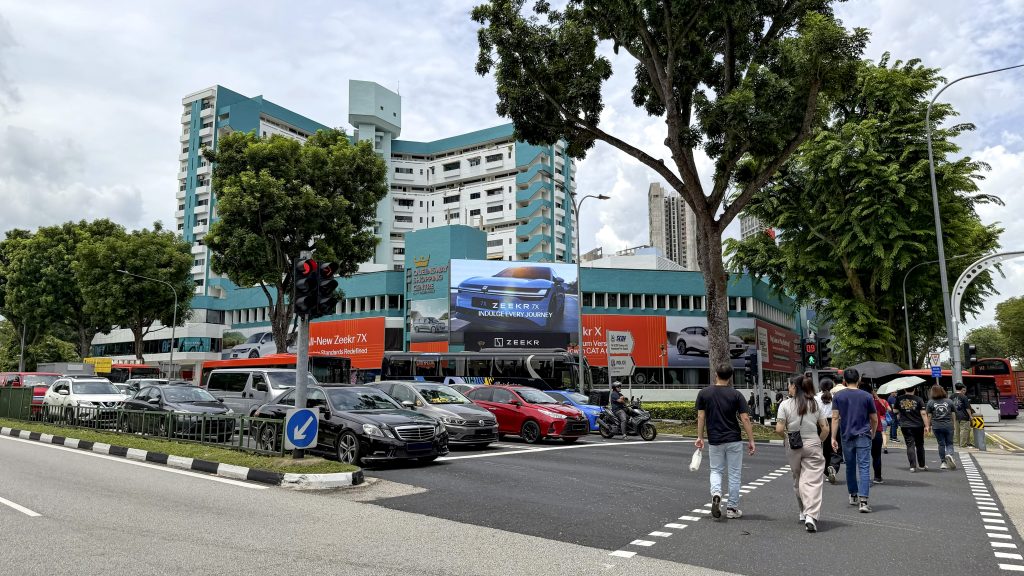
Premium LED screens reinforce exclusivity and trust, making them ideal for luxury, property, automotive, and financial brands. At Queensway Shopping Centre, The Perfect Media’s large LED installation along Alexandra Road, a corridor known for premium automotive showrooms, provides excellent visibility to affluent motorists and lifestyle consumers. Automotive brand ZEEKR, for instance, executed multi-format campaigns here that aligned messaging with the interests of car enthusiasts and prospective buyers.
LED Screen Advertising at Kopitiam: Reaching Everyday Consumers in High-Footfall Dining Hubs
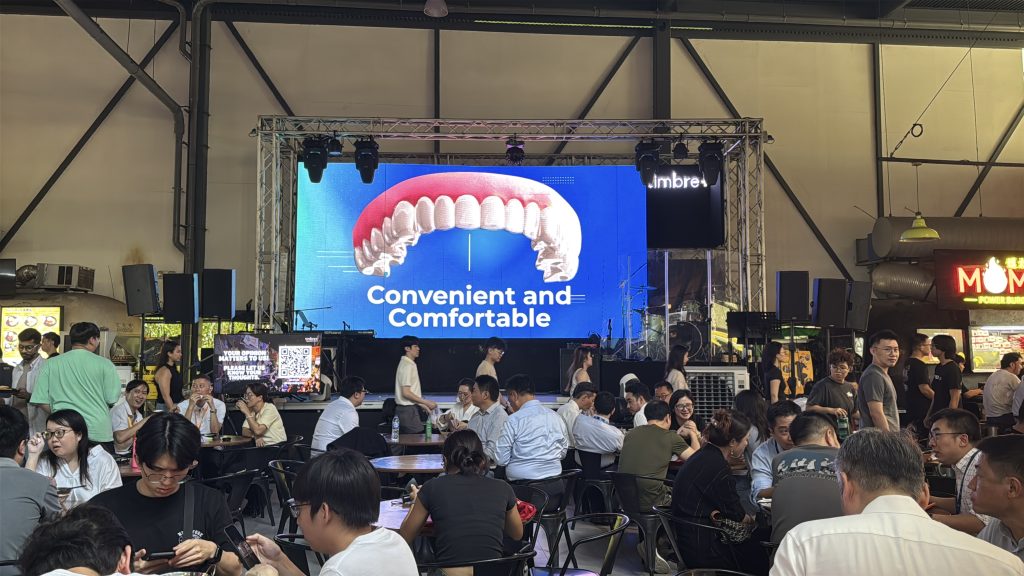
These sectors benefit most from motion, storytelling, and immersive visuals core strengths of LED screen advertising. At Timbre+ One North, The Perfect Media supported a dual-format campaign that combined a large-format LED screen with on-site branding to boost visibility and engagement for Dr Clear Aligners among young professionals and creative communities, a demographic aligned with lifestyle and tech-forward products.
Choosing the Right Locations for LED Screen Advertising
High-Traffic Urban Zones
High footfall areas such as CBDs, transport interchanges, and major retail corridors provide repeated exposure and longer dwell times. Locations like People’s Park Complex in Chinatown and lifestyle hubs such as Timbre+ One North sit within dense daily movement patterns, where office workers, commuters, and leisure visitors intersect. These environments allow LED screen advertising to achieve strong visibility through consistent audience circulation throughout the day.
Landmark Buildings and Iconic Intersections
Landmark placements enhance brand prestige and organic visibility, especially in cities like Singapore where certain addresses carry cultural and commercial significance. The Heeren along Orchard Road, for example, sits within one of Singapore’s most established shopping belts and naturally attracts fashion-forward and lifestyle-driven audiences. Such locations are well suited for global sportswear and lifestyle brands — including names like Adidas, Nike, or Puma — that rely on brand presence, aspiration, and visual impact rather than immediate call-to-action.
Contextual Relevance
Effective LED screen advertising aligns message timing and creativity with audience movement and surrounding commercial context. Along Alexandra Road near Queensway Shopping Centre, LED screens benefit from steady vehicular traffic and proximity to automotive and lifestyle retail clusters, making the area contextually relevant for mobility, automotive, and performance-driven brands. When creative execution matches the mindset of people moving through these zones, LED screens function not just as media space, but as part of the urban experience.
Creative Best Practices and Measuring ROI for LED Screen Advertising in 2026
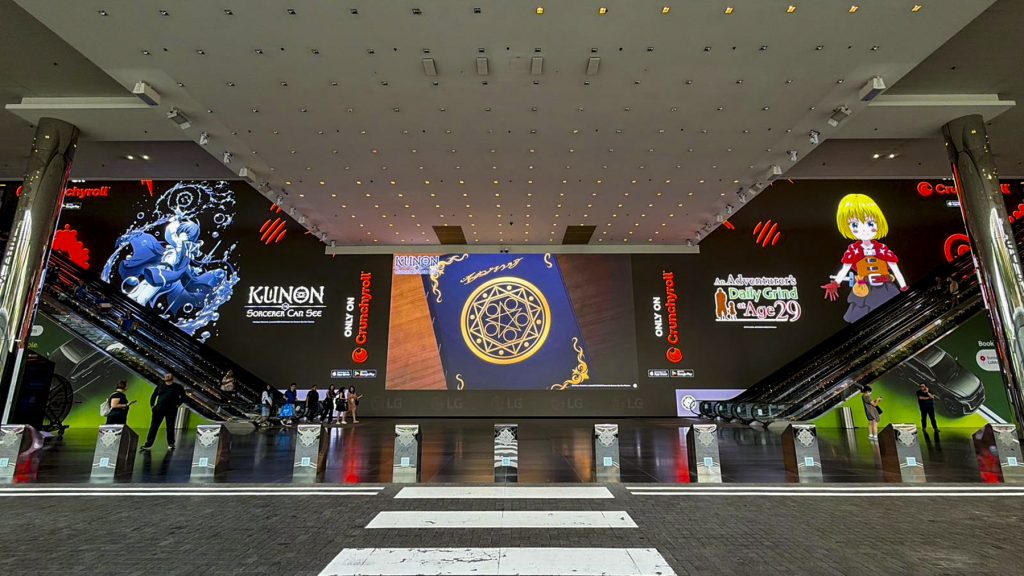
Successful LED screen advertising starts with creative discipline. In large-format, high-traffic environments, simplicity at scale consistently drives impact. Clear, single-minded messaging allows brands to communicate value within seconds, even as audiences move through busy urban spaces. WARC highlights that concise creative structures outperform complex messaging in large-format OOH, where attention windows are short and competition for visual focus remains high .
Motion plays an equally important role, but effectiveness depends on purpose rather than spectacle. Thoughtfully applied motion guides the viewer’s eye, establishes visual hierarchy, and reinforces the core message without overwhelming it. When animation supports clarity—rather than distracting from it—LED screens become powerful storytelling tools that communicate brand cues quickly and memorably.
Equally critical is designing for the physical environment, not just the screen itself. High-performing LED creatives account for viewing distance, ambient lighting conditions, traffic speed, and surrounding architecture. Creative that works on a desktop or mobile screen often requires adaptation for large-format environmental scale, ensuring legibility and visual strength across varying urban contexts.
As LED screen advertising evolves, so does the way performance is measured. In 2026, brands increasingly look beyond impressions to evaluate effectiveness. Metrics such as brand lift, search uplift, audience engagement, and social amplification provide deeper insight into how DOOH campaigns influence consumer behavior across channels. These indicators help marketers connect physical exposure with digital action, offering a more holistic view of impact.
More importantly, LED screen advertising contributes to long-term brand value, not just short-term response. McKinsey emphasizes that brand-building channels deliver stronger and more sustainable ROI over time compared to performance-only media, particularly in fast-growing Asian markets where brand trust and visibility play a decisive role in purchase decisions .
When creative clarity, contextual design, and advanced measurement come together, LED screen advertising functions as a strategic growth asset—building presence, relevance, and brand equity at scale.
Why Brands Choose The Perfect Media for LED Screen Advertising
As LED screen advertising defines high-impact outdoor marketing in Southeast Asia, success depends on more than just screen placement. It requires strategic expertise, creative clarity, and the ability to connect brands with audiences in prime locations.
The Perfect Media brings together access to premium LED screens across Singapore and Southeast Asia, expertise in large-format and 3D LED advertising, and end-to-end campaign execution—from planning to optimisation. This integrated approach helps brands turn visibility into measurable impact and long-term brand value.
In 2026, LED screen advertising continues to redefine attention, recall, and presence in outdoor marketing. When executed strategically with the right partner, DOOH campaigns create unmissable brand moments that resonate beyond the screen.
👉 Speak with The Perfect Media about LED screen advertising solutions in 2026 and elevate your brand’s impact Here