
Outdoor Advertising in 2026 continues to prove its relevance despite the dominance of digital-first marketing strategies. Digital-first strategies may dominate marketing conversations, yet they do not eliminate the importance of physical visibility. In 2026, outdoor advertising remains one of the most reliable channels for building brand presence, trust, and long-term recognition at scale.
Outdoor media places brands directly into everyday environments where audiences move, commute, and interact with the real world. Unlike online formats that compete for attention, outdoor advertising integrates naturally into daily routines. This constant visibility strengthens brand familiarity and reinforces credibility across multiple touchpoints. As a result, outdoor advertising continues to play a central role in modern brand-building strategies.
What Outdoor Advertising Is and How It Fits Modern Marketing
Outdoor advertising, also known as out-of-home (OOH) advertising, includes all media formats that reach audiences outside their homes. These formats range from traditional static billboards and transit panels to digital out-of-home (DOOH) screens that support dynamic content and time-based messaging.
In modern marketing, outdoor advertising functions as a foundational visibility layer. It supports digital performance by increasing brand recognition before audiences encounter online ads. Rather than replacing digital channels, outdoor advertising enhances their effectiveness by creating familiarity and trust. Brands that integrate outdoor media into their broader strategy benefit from stronger recall, higher engagement, and more consistent brand perception.
Core Outdoor Advertising Formats Brands Use in 2026
Different outdoor advertising formats serve different strategic roles. Outdoor advertising offers a wide variety of formats, each designed to serve specific campaign objectives and environments.The strongest campaigns combine formats to reinforce messaging across multiple touchpoints.
Billboards and Digital Billboards
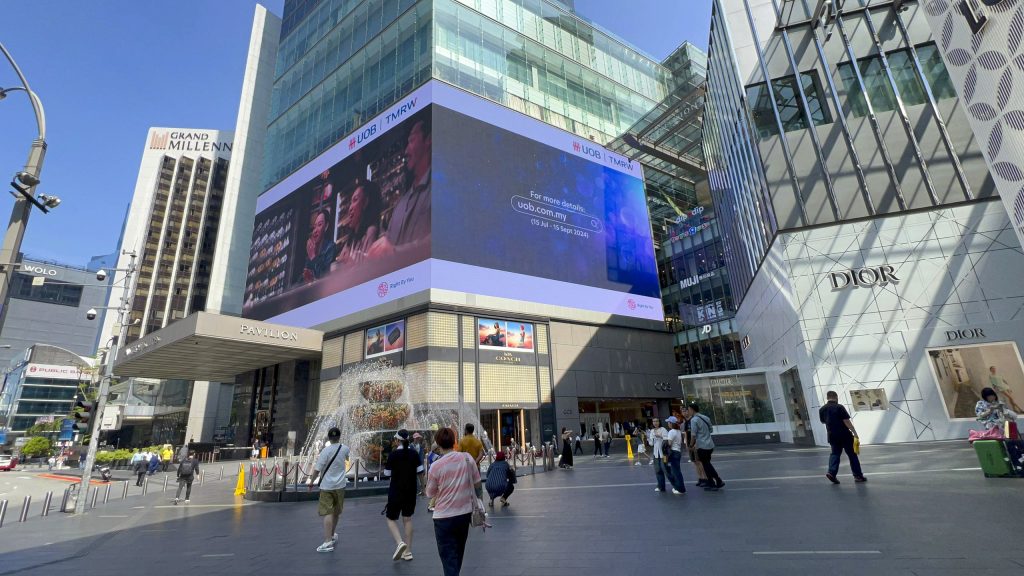
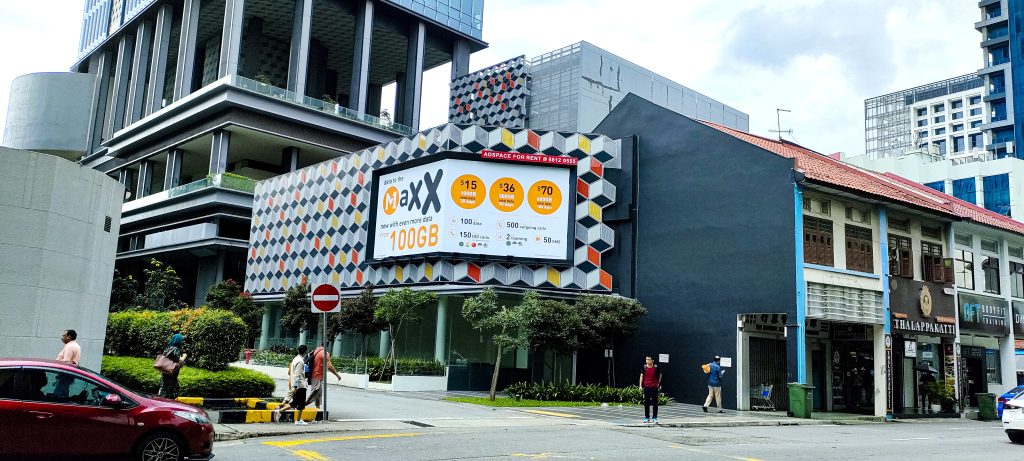
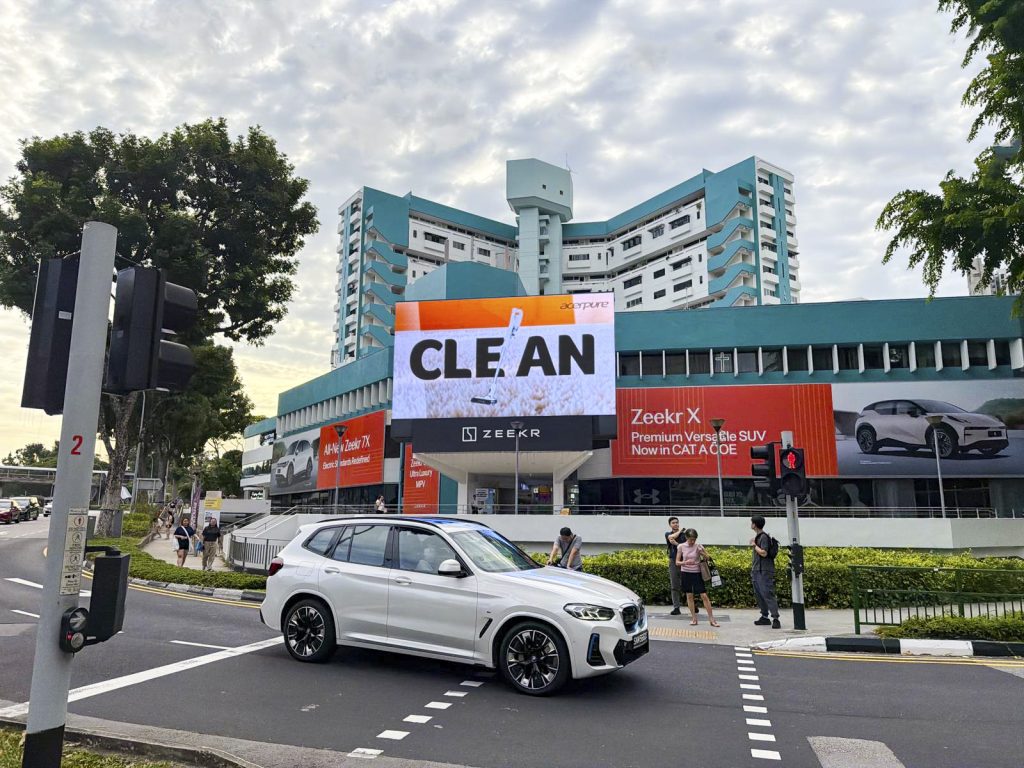
Billboards remain the most widely used outdoor format. Static billboards provide long-term consistency, while digital billboards introduce flexibility, motion, and timely messaging. Large-format and spectacular displays dominate premium urban locations, delivering immediate visual authority and positioning brands as category leaders.
Learn more in our related blog articles “How China’s EV Brands Can Supercharge Their Presence in Singapore“
Large-Format and Spectacular Displays
Large-format placements dominate skylines, highways, and iconic urban zones. These formats build authority and instantly elevate brand perception.
Learn more in our related blog articles “How Adidas, Mastercard and Groq Connected with Audiences during the Singapore Grand Prix 2025“
3D LED Screens
3D LED screens attract attention through depth, motion, and immersive visuals. Brands use them to generate buzz, social amplification, and strong recall in premium locations.
Airport Advertising
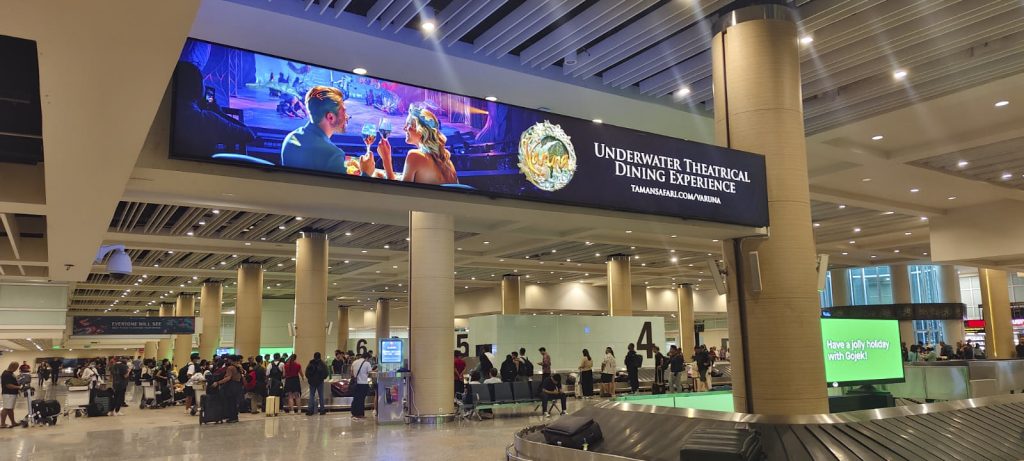
Airport advertising connects brands with international travelers, business professionals, and high-spending audiences during moments of extended dwell time. Transit and commuter advertising reach audiences repeatedly throughout daily journeys, reinforcing messages through frequency and routine exposure.
Learn more in our related blog articles “The Untapped B2B Media Lane Above the Clouds“
Transit and Commuter Advertising
Transit advertising engages audiences during repeated daily journeys. MRT, bus, and station placements deliver frequency and reinforcement across extended periods.
Choosing the Right Outdoor Advertising Strategy and Locations
Successful outdoor advertising begins with strategic planning rooted in audience insight. Brands define clear objectives before selecting formats or locations. Awareness-focused campaigns prioritize scale and reach, while launch and premium positioning campaigns emphasize context and environment.
Location selection plays a critical role in effectiveness. High-traffic corridors deliver mass exposure, while premium zones elevate brand perception. Understanding audience movement patterns, dwell time, and contextual relevance ensures that placements align with real-world behavior. Strategic location planning transforms outdoor advertising from simple exposure into meaningful presence.
Learn more in our related blog articles “Jobstreet Strengthens Audience Targeting through Strategic Tabletop Placements”
How Outdoor Advertising Strengthens Omnichannel Marketing
Out-of-home (OOH) media plays a critical role in strengthening omnichannel marketing performance by connecting physical visibility with digital engagement. When brands appear consistently in real-world environments, audiences recognize them faster across online platforms.
Large-format media exposure increases familiarity before audiences interact with search ads, social content, or e-commerce platforms. This familiarity improves click-through rates, reinforces message credibility, and accelerates consideration. By anchoring digital campaigns in the physical world, OOH media creates a cohesive brand experience across channels.
Learn more in our related blog articles “How the Embassy of India Brought the Indian Film Festival to Life Across Singapore“
Outdoor Advertising Costs in 2026: What Enterprise Brands Should Expect
OOH media investment reflects exposure quality rather than volume alone. Cost structures depend on location relevance, format sophistication, and campaign duration. Premium urban placements and digital formats command higher investment because they deliver stronger contextual impact and sustained visibility.
Brands assess ROI through indicators such as brand recall, uplift in branded search, cross-channel engagement, and location-based performance analysis. Over time, consistent exposure through physical media compounds brand equity, supporting long-term growth beyond short-term metrics.
Measuring Outdoor Advertising Effectiveness and Long-Term ROI
Outdoor advertising effectiveness is measured through impact, not volume. Beyond impressions, OOH drives brand salience by influencing how audiences remember, search, and engage with a brand after exposure.
Performance evaluation focuses on tangible signals such as uplift in branded search, cross-channel engagement, website visits, and physical footfall in key locations. These indicators demonstrate how OOH strengthens consideration within the real purchase journey.
Over time, consistent exposure builds familiarity and trust two drivers of sustainable ROI. Through structured post-campaign analysis, The Perfect Media helps brands translate performance data into insights that refine placement strategies, optimise future investments, and maximise long-term value.
Best Practices for High-Impact OOH Campaigns
High-performing OOH campaigns follow a clear strategic framework. Audience-first planning ensures message relevance. Clear and focused creativity enables instant comprehension within limited viewing windows. Strategic placement prioritizes contextual alignment over raw traffic volume.
Campaign duration also drives effectiveness. Repeated exposure through urban media networks strengthens memory structures and brand familiarity. When strategy, creative, and placement align, OOH campaigns deliver reliable and scalable impact.
OOH Media Landscapes in Singapore and Southeast Asia
Singapore and Southeast Asia offer some of the most advanced OOH media ecosystems globally. Dense urban environments, strong commuter behavior, and premium infrastructure enable consistent exposure across daily routines.
Urban media networks span central business districts, transit corridors, highways, and airport environments. These landscapes allow brands to maintain visibility while scaling across markets with precision. Regional OOH networks support expansion while preserving creative consistency and strategic control.
The Future of OOH Media Beyond 2026
OOH media continues to evolve through digital innovation and smarter planning tools. Digital out-of-home (DOOH) enables dynamic creative, contextual scheduling, and responsive messaging. Data-led planning improves placement relevance and audience alignment without sacrificing premium visibility.
Despite these advancements, physical media retains its core strength. Real-world presence builds credibility, scale, and permanence that digital environments alone cannot replicate.
Why Out-of-Home Media Remains Essential for Brand Growth
Brands compete on visibility, trust, and consistency. OOH media delivers all three by embedding brands into the physical environments audiences navigate every day.
By reinforcing digital strategies with real-world exposure, out-of-home media transforms awareness into lasting influence. Strategic execution ensures that visibility translates into recognition, consideration, and sustained market leadership.
Build Real-World Brand Impact With The Perfect Media
OOH media delivers its strongest results when strategic planning leads to execution.
The Perfect Media partners with brands to activate premium out-of-home solutions across Singapore and Southeast Asia. Through curated billboard networks, DOOH placements, and airport media, every campaign prioritizes visibility, consistency, and measurable brand impact.


